Are Raised Moles Dangerous?
- posted: Mar. 17, 2026
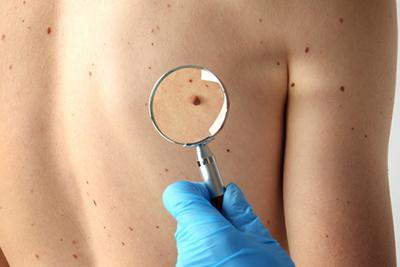
Moles are a common part of the skin, and many people notice raised moles that vary in size, color, and texture. At Valley Dermatologic Medical Group, Inc. in Tarzana, CA, and Simi Dermatologic Medical Center in Simi Valley, CA, patients often ask whether raised moles are a cause for concern. While many moles are harmless, changes in their appearance can sometimes signal the need for professional evaluation. Understanding what to look for helps patients make informed decisions about their skin health.
What Are Raised Moles
Raised moles are growths that extend above the surface of the skin. They can appear flesh-colored, brown, or darker depending on skin tone and pigmentation. Some are present from childhood, while others develop over time. A raised mole may feel smooth, firm, or slightly textured, and it can remain stable for many years without causing any problems.
Most raised moles are benign, meaning they are not cancerous. However, monitoring them over time is important because changes can occur.
When a Raised Mole May Be Concerning
Although many raised moles are harmless, certain changes can indicate a need for evaluation. A mole that changes in size, shape, or color should be examined by a dermatologist. Irregular borders, uneven pigmentation, or a mole that looks different from others on the body may also raise concern.
Other warning signs include itching, bleeding, crusting, or rapid growth. These symptoms do not always mean a mole is dangerous, but they should be assessed to rule out skin cancer.
The Importance of Skin Examinations
Regular skin checks play an important role in identifying changes early. Dermatology providers evaluate moles using established guidelines to determine whether they appear typical or require further testing. In some cases, a biopsy may be recommended to examine the tissue more closely.
Professional evaluation provides clarity and helps ensure that any concerning changes are addressed promptly. Early detection is one of the most effective ways to manage skin cancer successfully.
Monitoring Moles at Home
Patients are encouraged to become familiar with their skin and monitor moles for any changes. Keeping track of size, color, and texture over time can help identify differences that may need attention. Good lighting and routine self-checks make it easier to notice changes early.
Protecting the skin from sun exposure is also important, as ultraviolet damage can increase the risk of skin changes over time.
When to Schedule an Evaluation
If a raised mole changes, becomes uncomfortable, or looks different from other moles, it is important to schedule a professional evaluation. Dermatologists can determine whether a mole is benign or requires treatment. Early assessment helps prevent potential complications and supports long-term skin health.
At Valley Dermatologic Medical Group, Inc. in Tarzana, CA, and Simi Dermatologic Medical Center in Simi Valley, CA, patients receive comprehensive skin evaluations tailored to their needs. To schedule an appointment, call (818) 345-7122 for the Tarzana office or (805) 527-6586 for the Simi Valley office.
- posted: Mar. 17, 2026
Moles are a common part of the skin, and many people notice raised moles that vary in size, color, and texture. At Valley Dermatologic Medical Group, Inc. in Tarzana, CA, and Simi Dermatologic Medical Center in Simi Valley, CA, patients often ask whether raised moles are a cause for concern. While many moles are harmless, changes in their appearance can sometimes signal the need for professional evaluation. Understanding what to look for helps patients make informed decisions about their skin health.
What Are Raised Moles
Raised moles are growths that extend above the surface of the skin. They can appear flesh-colored, brown, or darker depending on skin tone and pigmentation. Some are present from childhood, while others develop over time. A raised mole may feel smooth, firm, or slightly textured, and it can remain stable for many years without causing any problems.
Most raised moles are benign, meaning they are not cancerous. However, monitoring them over time is important because changes can occur.
When a Raised Mole May Be Concerning
Although many raised moles are harmless, certain changes can indicate a need for evaluation. A mole that changes in size, shape, or color should be examined by a dermatologist. Irregular borders, uneven pigmentation, or a mole that looks different from others on the body may also raise concern.
Other warning signs include itching, bleeding, crusting, or rapid growth. These symptoms do not always mean a mole is dangerous, but they should be assessed to rule out skin cancer.
The Importance of Skin Examinations
Regular skin checks play an important role in identifying changes early. Dermatology providers evaluate moles using established guidelines to determine whether they appear typical or require further testing. In some cases, a biopsy may be recommended to examine the tissue more closely.
Professional evaluation provides clarity and helps ensure that any concerning changes are addressed promptly. Early detection is one of the most effective ways to manage skin cancer successfully.
Monitoring Moles at Home
Patients are encouraged to become familiar with their skin and monitor moles for any changes. Keeping track of size, color, and texture over time can help identify differences that may need attention. Good lighting and routine self-checks make it easier to notice changes early.
Protecting the skin from sun exposure is also important, as ultraviolet damage can increase the risk of skin changes over time.
When to Schedule an Evaluation
If a raised mole changes, becomes uncomfortable, or looks different from other moles, it is important to schedule a professional evaluation. Dermatologists can determine whether a mole is benign or requires treatment. Early assessment helps prevent potential complications and supports long-term skin health.
At Valley Dermatologic Medical Group, Inc. in Tarzana, CA, and Simi Dermatologic Medical Center in Simi Valley, CA, patients receive comprehensive skin evaluations tailored to their needs. To schedule an appointment, call (818) 345-7122 for the Tarzana office or (805) 527-6586 for the Simi Valley office.
Office Hours
Valley Dermatologic Medical Group, Inc.
Monday
8:30 am - 5:00 pm
Tuesday
8:30 am - 5:00 pm
Wednesday
8:30 am - 5:00 pm
Thursday
8:30 am - 5:00 pm
Friday
8:30 am - 4:30 pm
Saturday
Closed
Sunday
Closed
Simi Dermatologic Medical Center
Monday
9:00 am - 3:00 pm
Tuesday
8:15 am - 5:00 pm
Wednesday
10:00 am - 5:00 pm
Thursday
8:15 am - 5:00 pm
Friday
9:00 am - 3:00 pm
Saturday
Closed
Sunday
Closed