Who Should Consider Photodynamic Therapy?
- posted: Jan. 15, 2026
At Valley Dermatologic Medical Group, serving patients in Tarzana and Simi Valley, CA, we have treatment options that address both medical and cosmetic skin concerns. One option we offer is photodynamic therapy (PDT), a non-surgical procedure that treats specific skin conditions by targeting abnormal or damaged cells while preserving healthy tissue. Understanding who benefits most from this treatment helps patients make informed decisions about their skin care.
What Is Photodynamic Therapy (PDT)?
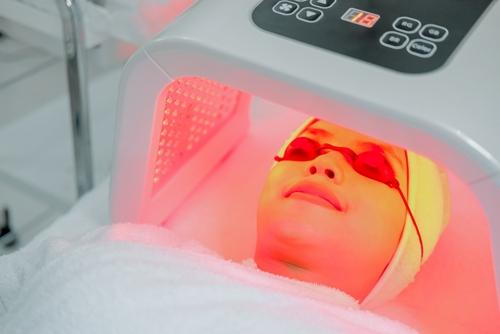
Photodynamic therapy (PDT) combines a topical photosensitizing medication with a controlled light source. The medication absorbs into targeted skin cells and remains inactive until exposed to a specific wavelength of light. Once activated, the treatment selectively destroys abnormal cells without harming surrounding healthy skin. PDT allows precise treatment of problem areas while minimizing scarring and downtime.
The procedure typically occurs in-office and involves applying the medication, allowing it to absorb for a prescribed period, and then activating it with light. Recovery time varies depending on treatment depth and location.
Conditions Commonly Treated With PDT
Photodynamic therapy can be appropriate for patients with precancerous skin. We frequently recommend PDT for actinic keratoses, which are rough, scaly lesions caused by long-term sun exposure and may progress to skin cancer if left untreated. PDT treats both visible lesions and subclinical damage beneath the surface.
PDT also plays a role in managing certain types of superficial skin cancer when appropriate. In addition, some patients benefit from photodynamic therapy for inflammatory acne that does not respond well to topical or oral medications. By targeting oil-producing glands and bacteria, PDT helps reduce breakouts and inflammation.
Who Makes a Good Candidate for PDT
Patients with fair skin, extensive sun damage, or recurring actinic keratoses often benefit most from photodynamic therapy. Individuals who prefer a non-surgical approach or want to treat larger areas of damaged skin rather than individual spots also make strong candidates.
PDT works well for patients who seek treatment that improves skin health while reducing future risk. However, not every skin condition responds to PDT, and individual factors such as skin type, medical history, and lifestyle influence candidacy.
Benefits of Photodynamic Therapy
Photodynamic therapy treats existing lesions while improving overall skin texture and tone. Many patients notice smoother skin and a more even complexion following treatment. PDT also addresses underlying damage that may not yet appear on the surface, which supports long-term skin health.
Because PDT does not involve incisions, it avoids surgical scars and often requires less recovery time than invasive procedures. Patients typically resume normal activities with short-term precautions.
What to Expect After Treatment
After photodynamic therapy, treated skin may appear red, swollen, or sensitive for several days. Sun avoidance remains critical during healing, as treated areas remain light-sensitive. Symptoms gradually resolve as the skin heals and regenerates.
Schedule a Consultation
If you wonder whether photodynamic therapy (PDT) fits your skin care needs, professional evaluation provides clarity. Valley Dermatologic Medical Group proudly serves patients in Tarzana and Simi Valley, CA with personalized dermatologic care. To schedule a consultation or learn more about PDT, call (818) 345-7122 today.
- posted: Jan. 15, 2026
At Valley Dermatologic Medical Group, serving patients in Tarzana and Simi Valley, CA, we have treatment options that address both medical and cosmetic skin concerns. One option we offer is photodynamic therapy (PDT), a non-surgical procedure that treats specific skin conditions by targeting abnormal or damaged cells while preserving healthy tissue. Understanding who benefits most from this treatment helps patients make informed decisions about their skin care.
What Is Photodynamic Therapy (PDT)?
Photodynamic therapy (PDT) combines a topical photosensitizing medication with a controlled light source. The medication absorbs into targeted skin cells and remains inactive until exposed to a specific wavelength of light. Once activated, the treatment selectively destroys abnormal cells without harming surrounding healthy skin. PDT allows precise treatment of problem areas while minimizing scarring and downtime.
The procedure typically occurs in-office and involves applying the medication, allowing it to absorb for a prescribed period, and then activating it with light. Recovery time varies depending on treatment depth and location.
Conditions Commonly Treated With PDT
Photodynamic therapy can be appropriate for patients with precancerous skin. We frequently recommend PDT for actinic keratoses, which are rough, scaly lesions caused by long-term sun exposure and may progress to skin cancer if left untreated. PDT treats both visible lesions and subclinical damage beneath the surface.
PDT also plays a role in managing certain types of superficial skin cancer when appropriate. In addition, some patients benefit from photodynamic therapy for inflammatory acne that does not respond well to topical or oral medications. By targeting oil-producing glands and bacteria, PDT helps reduce breakouts and inflammation.
Who Makes a Good Candidate for PDT
Patients with fair skin, extensive sun damage, or recurring actinic keratoses often benefit most from photodynamic therapy. Individuals who prefer a non-surgical approach or want to treat larger areas of damaged skin rather than individual spots also make strong candidates.
PDT works well for patients who seek treatment that improves skin health while reducing future risk. However, not every skin condition responds to PDT, and individual factors such as skin type, medical history, and lifestyle influence candidacy.
Benefits of Photodynamic Therapy
Photodynamic therapy treats existing lesions while improving overall skin texture and tone. Many patients notice smoother skin and a more even complexion following treatment. PDT also addresses underlying damage that may not yet appear on the surface, which supports long-term skin health.
Because PDT does not involve incisions, it avoids surgical scars and often requires less recovery time than invasive procedures. Patients typically resume normal activities with short-term precautions.
What to Expect After Treatment
After photodynamic therapy, treated skin may appear red, swollen, or sensitive for several days. Sun avoidance remains critical during healing, as treated areas remain light-sensitive. Symptoms gradually resolve as the skin heals and regenerates.
Schedule a Consultation
If you wonder whether photodynamic therapy (PDT) fits your skin care needs, professional evaluation provides clarity. Valley Dermatologic Medical Group proudly serves patients in Tarzana and Simi Valley, CA with personalized dermatologic care. To schedule a consultation or learn more about PDT, call (818) 345-7122 today.
Office Hours
Valley Dermatologic Medical Group, Inc.
Monday
8:30 am - 5:00 pm
Tuesday
8:30 am - 5:00 pm
Wednesday
8:30 am - 5:00 pm
Thursday
8:30 am - 5:00 pm
Friday
8:30 am - 4:30 pm
Saturday
Closed
Sunday
Closed
Simi Dermatologic Medical Center
Monday
9:00 am - 3:00 pm
Tuesday
8:15 am - 5:00 pm
Wednesday
10:00 am - 5:00 pm
Thursday
8:15 am - 5:00 pm
Friday
9:00 am - 3:00 pm
Saturday
Closed
Sunday
Closed